Intuition and Sensation: an analogy with modes of animal behaviour
An analogy can be drawn between two irrational functions of the human psyche:
Intuition — perception of change
Sensation — perception of what is constant, unchanging, identical with itself
and correspondingly between
- animals that live in a mode of movement — hunting or constant threat (predators and prey),
- and animals that live in a mode of structural protection (the turtle).
This is not about “who is smarter”, but about a mode of orientation in the environment.
Different animals may live in the same environment but highlight different aspects of it.
- Some primarily detect changes.
- Others orient themselves toward what remains unchanged, stable, and constant.
The point is not that they inhabit different worlds, but that they read the same world in different ways.
🐺 Predator / Prey — the mode of “change”
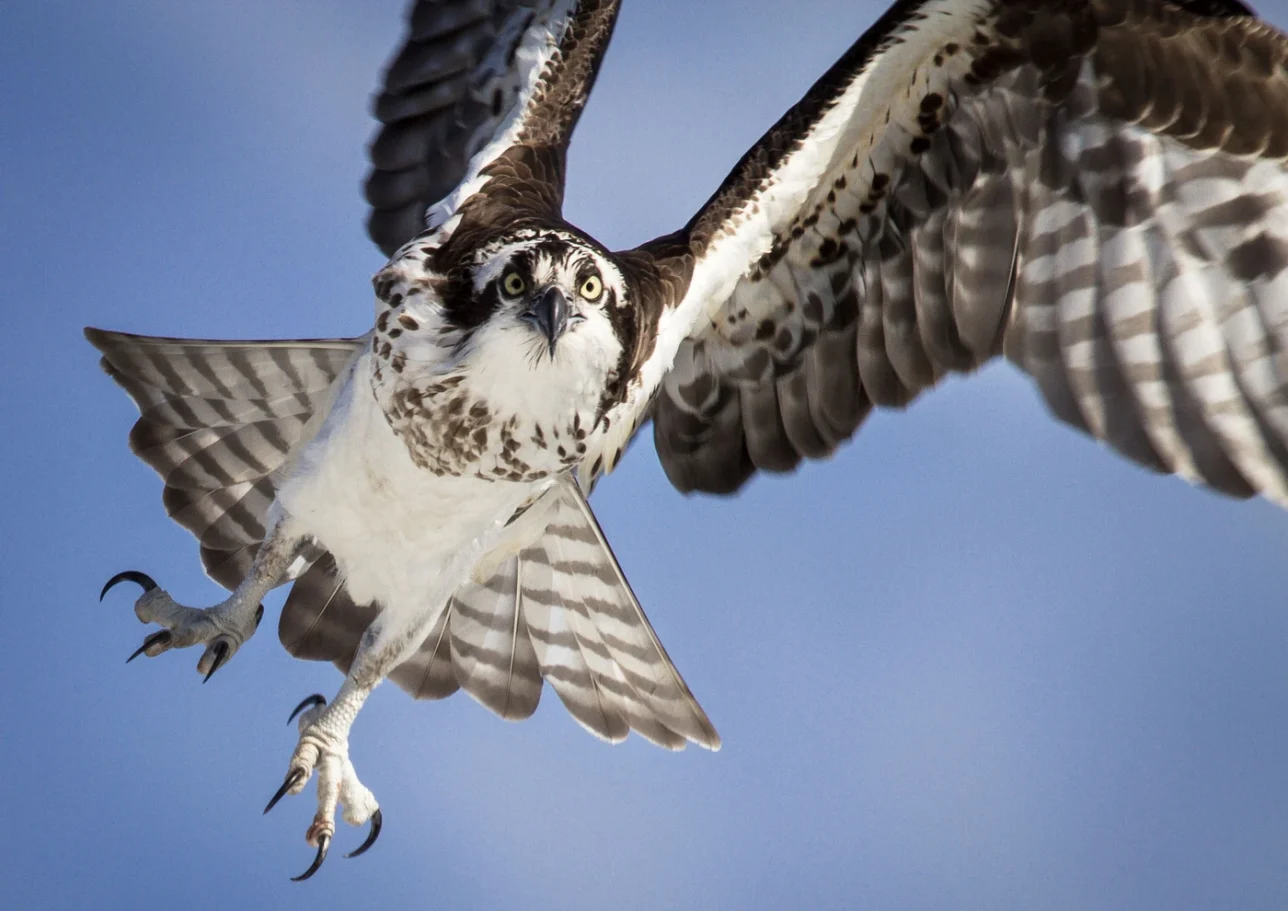
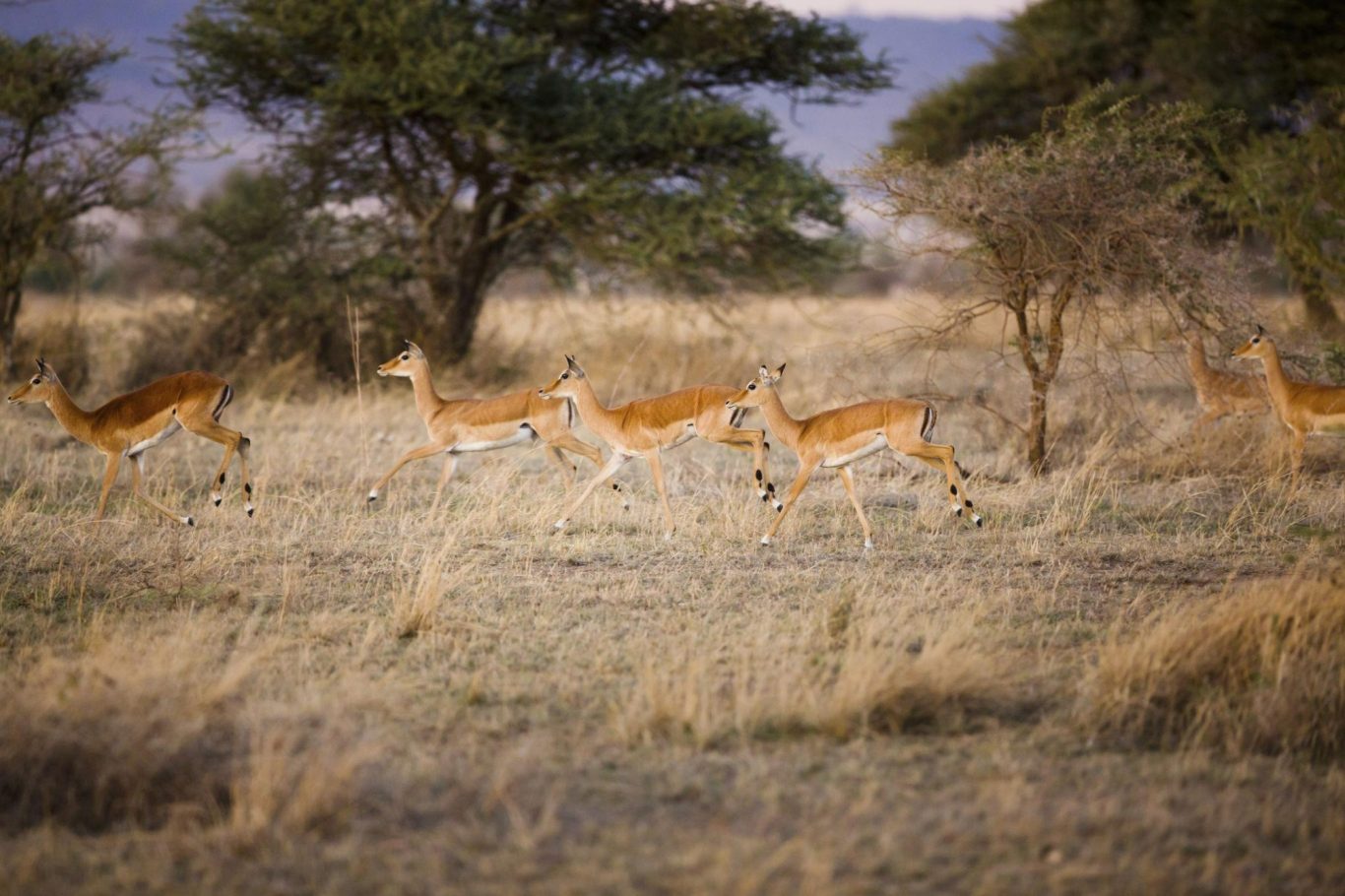
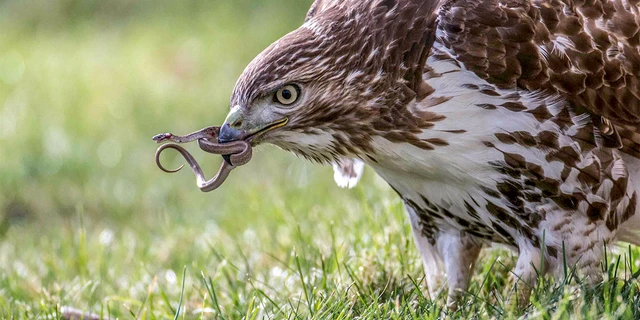
Such animals
- must react to barely noticeable shifts,
- for them, changes in the environment are vital.
This is very close to the definition of intuition:
perception of change.
A predator does not simply perceive “a hare”, but rather:
- where it will dash,
- how its trajectory will change,
- where it will be in a second.
The prey detects:
- the slightest movement in the grass,
- a disturbance in the familiar pattern,
- a potential threat.
This is not fixation on the stable but reading changes.
🐢 Turtle — the mode of “constancy”
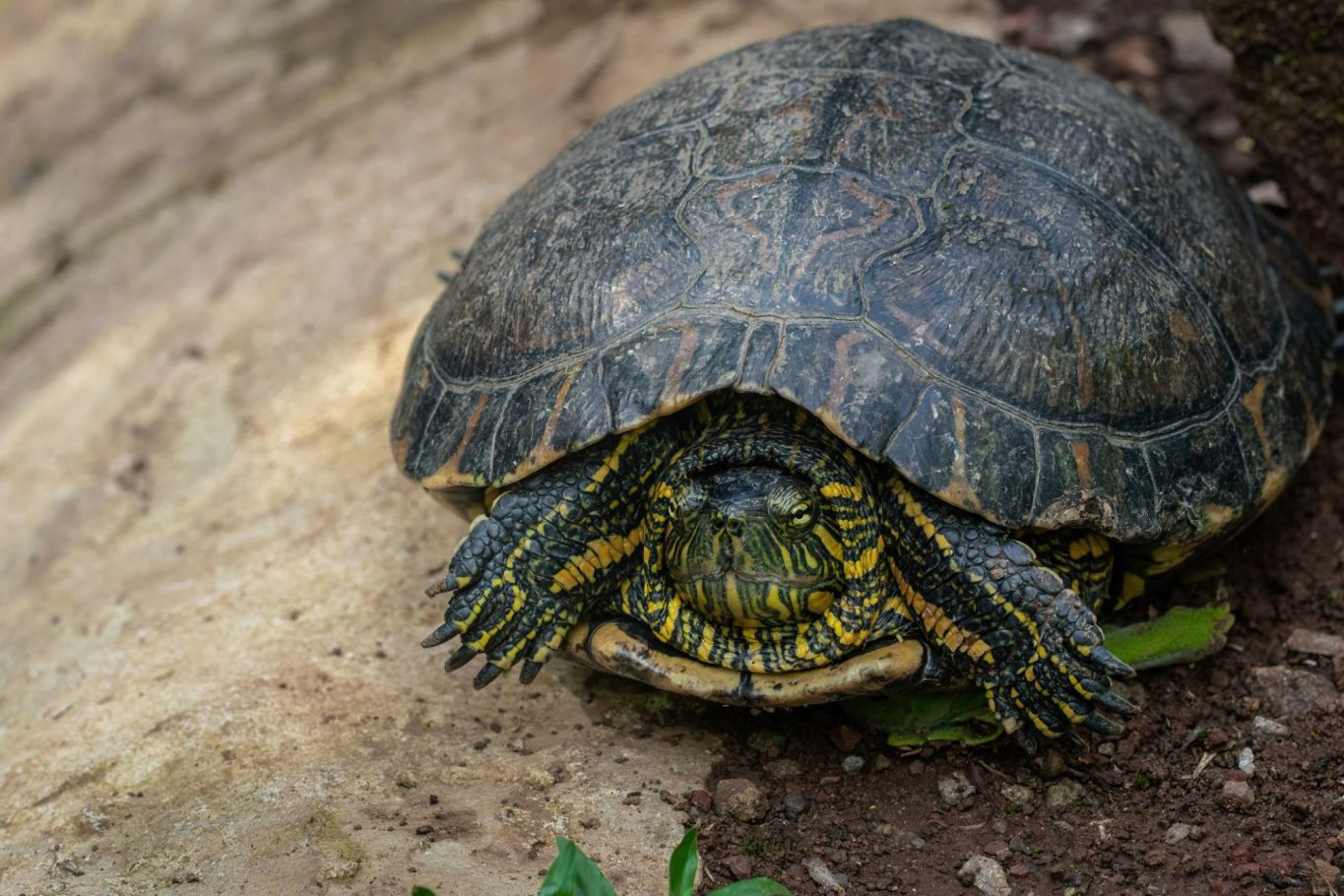
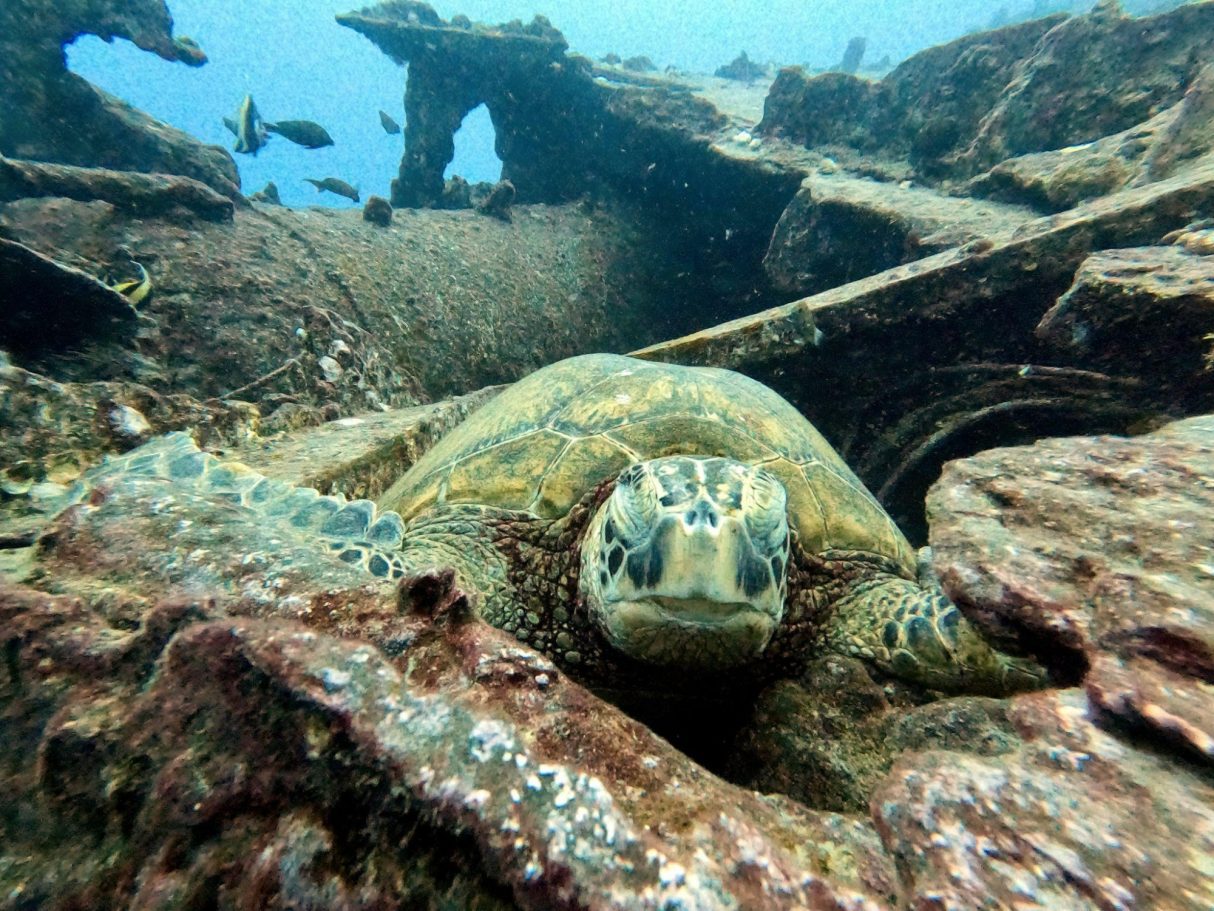
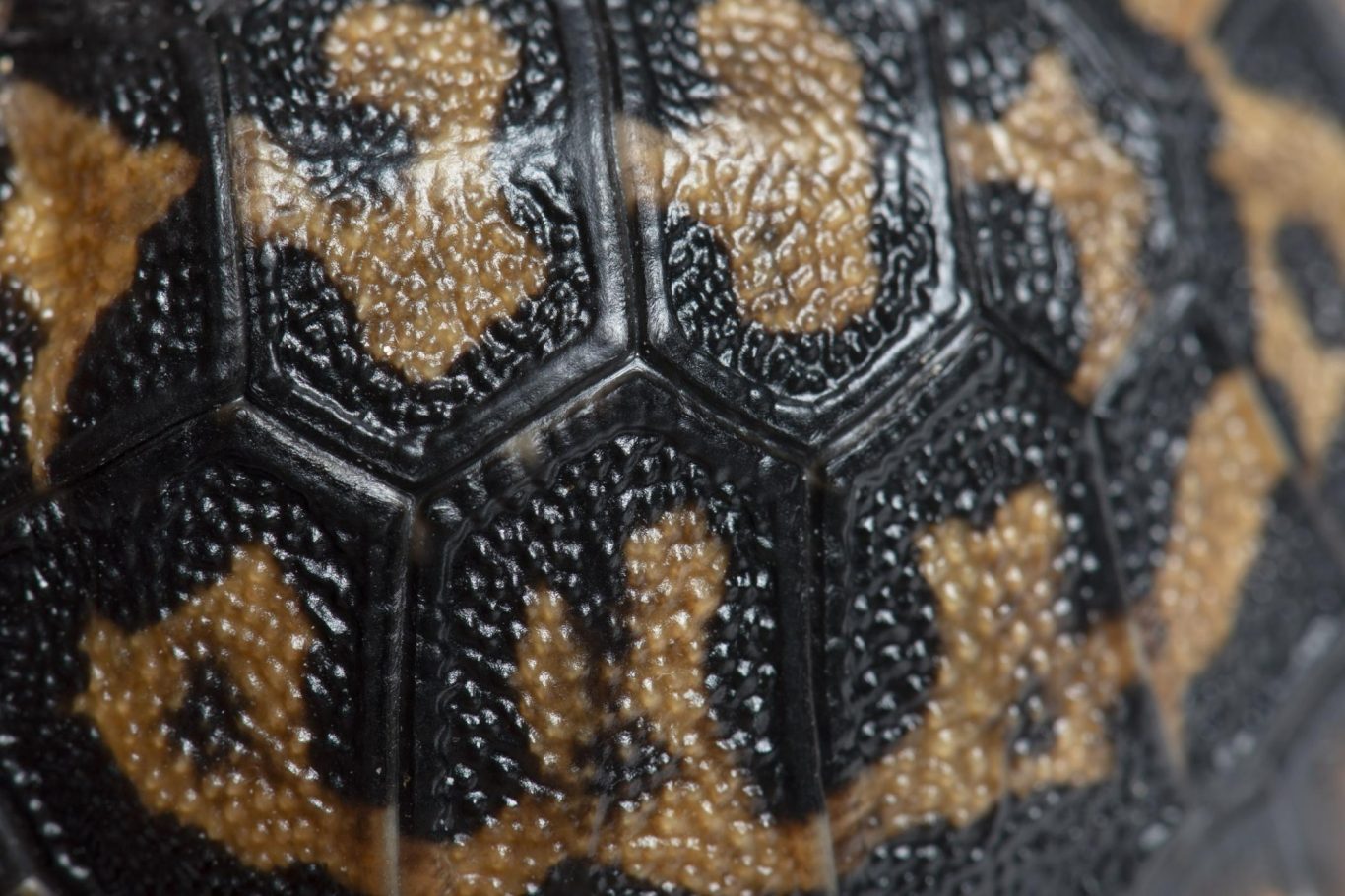
The turtle
- is slow,
- protected by its shell,
- can afford a delayed reaction,
- orients itself toward the stability of the environment.
Its strategy is to preserve itself in constancy.
This corresponds to sensation as defined as
perception of what is unchanging, constant, identical with itself.
❌ Biologization of psychological functions
Of course, all animals possess both the perception of constancy and reactions to change. The issue here is not the presence or absence of an ability but a dominant strategy of orientation.
Intuition is closer to the mode of necessity to react quickly to environmental changes (predators and prey).
Sensation is closer to the mode of structural protection and relative independence from environmental change (the turtle).
This is not biology, but a metaphor for adaptive modes.
Intuition is the psychic equivalent of living “on the boundary of change”.
Sensation is the psychic equivalent of living “in reliance on what is constant”.
Intuition — psychological orientation toward change.
Sensation — psychological orientation toward constancy.
Core idea
Intuition and sensation are two ways of perceiving the world.
Intuition perceives change.
Sensation perceives invariants: it perceives what remains constant within change.
Intuition and sensation are therefore not opposites in the sense of “true versus false”.
They are two complementary ways of reading the same reality.
Theoretical interpretation
This analogy does not constitute a biological explanation of psychological functions.
Rather, it should be understood as a conceptual model describing two different modes of orientation in the environment.
In terms of perception theory, one may say:
sensation perceives invariants of the environment,
intuition perceives changes in the environment.
These two functions are not simply opposed to one another, but complement each other.
Only when both functions are present is complete perception possible.
Only on this basis can a coherent picture of the world be constructed.